
Ever stepped on your carpet and felt that cold, squishy surprise under your feet? Not fun, especially when you weren’t planning on a swim in your living room. Whether it’s from a burst pipe, an overflowing washing machine, or a wild weather day, water damage to carpets is more common than you think. But here’s the good news: you don’t have to rip everything up and start over. With a little time and the right steps, water damaged carpet restoration can be done right at home. This article is your simple, no-fuss guide to drying, cleaning, and saving your carpet — without losing your cool (or your weekend). Let’s get that soggy mess sorted, one step at a time.
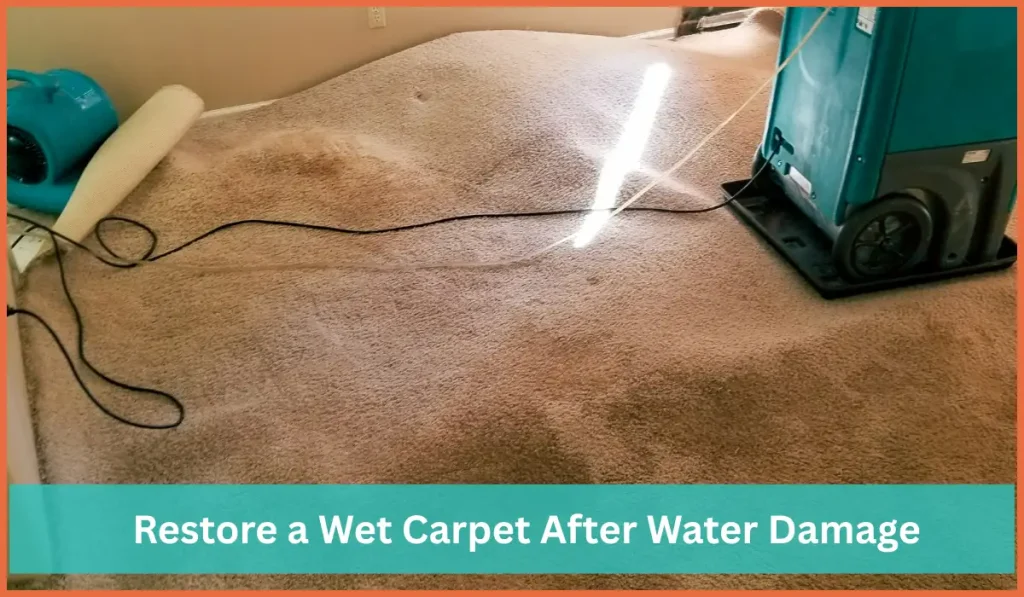
What You’ll Need to Get Started?
Before jumping into the drying process, gather the essentials:
- Wet/dry vacuum or shop vac
- Clean towels or old clothes
- Box fans or pedestal fans
- Dehumidifier
- Baking soda
- Carpet sanitiser or hydrogen peroxide
- Steam cleaner (optional)
- Protective gloves and a mask
These items will help you work through every part of the home carpet flood recovery process efficiently.
Step 1: Stop the Water at Its Source
First things first — find out where the water is coming from. If it’s a pipe leak or a roof problem, get that sorted before you even think about cleaning. Stopping the source is key to successful carpet water damage repair.
And remember: if water has touched electrical outlets, turn off the power before doing anything else.
Step 2: Remove Water from the Carpet
Now’s the time to act fast. The longer the carpet stays wet, the more damage it takes.
Here’s how to remove water from carpet quickly:
- Use a wet/dry vacuum to suck up as much water as possible.
- If you don’t have one, press thick towels into the wet areas and keep switching them out as they soak up moisture.
- Step on the towels gently to apply more pressure and get better absorption.
This step is important for effective water-damaged carpet restoration.
Step 3: Get Airflow Going
Drying wet carpet is all about air movement and reduced humidity. Don’t let it sit damp.
Try these quick airflow approaches:
- Open windows and doors (if weather allows).
- Set up fans to blow across the wet carpet.
- Use a dehumidifier to pull moisture from the air.
- Keep everything running for 24–48 hours or more if needed.
If your room has poor ventilation, consider renting industrial dryers. This step helps with carpet water damage repair and works to prevent mould growth.
Step 4: Clean and Sanitise the Carpet
Once the carpet is about 80% dry, it’s time to clean it properly. You want to address bacteria, mould, and that musty smell.
Here’s what to do:
- Sprinkle baking soda over the affected area. Leave it overnight to help neutralise smells and absorb leftover moisture.
- Vacuum thoroughly the next day.
- Lightly mist the carpet with hydrogen peroxide (3%) or use a disinfecting carpet cleaner.
- For deep cleaning, use a steam cleaner if you have one.
This part is important to cleaning water-damaged carpet thoroughly.
Step 5: Check the Padding and Subfloor
Sometimes, the damage goes deeper than just the carpet surface. If water has soaked through, lift the carpet and check underneath.
Here’s what to look out for:
- Wet padding? Unfortunately, it often needs replacing. Foam doesn’t dry well and can develop mould.
- Damp subfloor? Let it dry fully before reinstalling anything.
Missing this step is one of the biggest oversights in flooded carpet cleaning.
Step 6: Watch for Musty Smells or Mould
Even after a full clean-up, things can go south. If your carpet starts smelling funky or shows dark patches, it may be time to call in the professionals.
Keep an eye out for:
- Persistent odours even after cleaning
- Discolouration or dark spots
- Increased sneezing or discomfort indoors
These signs could indicate carpet damage from a water leak that wasn’t handled completely.
Handy Tips to Keep in Mind
Some bonus tips to help you work through your home carpet flood recovery:
- Act fast: Try to start drying within 24 hours to avoid lasting damage.
- Use protection: Always wear gloves and a mask when handling wet carpets.
- Don’t skip cleaning: Drying alone won’t cut it. Sanitising is an important part of the process too.
- Ventilate your house: Keeping the air flowing even days after drying helps prevent lingering moisture from causing further issues.
Final Thoughts
Dealing with a soaked carpet can feel overwhelming, but it doesn’t have to end in disaster. With the right steps and a bit of patience, water-damaged carpet restoration is very much doable at home. Acting fast, drying thoroughly, and cleaning properly can save your carpet and your wallet. But if the damage feels too much to handle or you’d like some extra help, we’re here. At True Carpet Cleaning, we handle water damage with care and prompt service. Call us today on 0480 032 431 and let the team take care of the mess.
FAQs
Ques 1: Can carpet smell bad after drying?
Ans: Yes, if not cleaned well, carpet damage from a water leak can leave a lingering musty smell.
Ques 2: Is insurance helpful for wet carpet?
Ans: Sometimes, home insurance can cover home carpet flood recovery, especially after storms or pipe bursts.
Ques 3: Do I need to replace underlay every time?
Ans: Not always, but if soaked through, it may affect carpet water damage repair outcomes.
Ques 4: Will mould return after restoration?
Ans: If the carpet isn’t fully dried, mould can return even weeks later.
Ques 5: Can I use fans and heaters together?
Ans: Yes, combining heat and airflow can help speed up flooded carpet cleaning results.